Selected projects and strategic initiatives
Led or co-led by Freddy Jönsson Hanberg

International Collaboration Projects
Swedish National Defence
Research Projects
Private sector projects
Introduction
The projects listed here span multiple domains, including NATO capability development, national crisis management, security of supply, defense industry finance, and military logistics, and reflect my role as a strategist, project initiator, and trusted partner to senior stakeholders in government, industry, and academia. My work is grounded in operational credibility, institutional entrepreneurship, and the ability to navigate policy, innovation, and execution.
I hope this summary offers a useful basis for discussions about how my background and networks could contribute to presence and partnerships in the Nordics and Baltics.
SOSCOE
From initial concept development in 2021 to formal institutional anchoring in 2023, I led the design, international coordination, and diplomatic outreach necessary to gather national and NATO-level support. The Centre is now a focal point for efforts to address supply chain vulnerabilities and strategic dependencies in the era of systemic competition.

If accredited, COEs represent unique assets to promote NATO’s role in the areas of transformation and innovation to external audiences. COEs assure NATO Nations’ and Contributing Partners’ access to knowledge and expertise within defined subject matter areas. COEs shall not duplicate subject matter areas, assets and resources, nor compete with capabilities that already exist within NATO (such as other COEs, NATO Education and Training Facilities (NETFs), or other MOU organizations) in accordance with, and within the scope of, their mandates and approved concepts. The activities of COEs shall be coordinated and consistent with NATO efforts.
Allied Command Transformation in Norfolk, Virginia, USA oversees the establishment, accreditation, preparation of candidates for approval, and periodic assessments of the centres. The establishment of a Centre of Excellence is a straightforward procedure. Normally, one or more members decide to establish a Centre of Excellence. The idea then moves into the concept development phase.
The SOSCOE in Sweden is governed by a Steering Committee. The chairman of the Steering Committee is Brigadier General Michael Nilsson. In the Steering Committee there are representatives from the Swedish Parliament, the Defense Industry (SAAB & BAE Systems), the research community as well as regional and local governments.
The Centre is also supported by an Academic Advisory Board, led by Dr. Nicole Crain, US National Defense University and an International Committee, led by former Finnish Minister of Defense, Mr. Stefan Wallin. I recruited the members of the boards and committees.
NATO STO
In 2019 I joined the NATO Science & Technology Organization as an expert in logistics, supply chain management, and security of supply. Since then, I have been part of several Exploratory Teams, Research Technical Groups, Research Technical Courses and other projects within the NATO STO framework. I have also participated in the biannual SAS Panel Business Meeting where national representatives decide which projects will be approved.
Nordic Pine
This was years before the Iberian Peninsula blackout of April 2025 but there were intel reports about Chinese inverters being used to collect information or even being part of a possible sabotage preparation.
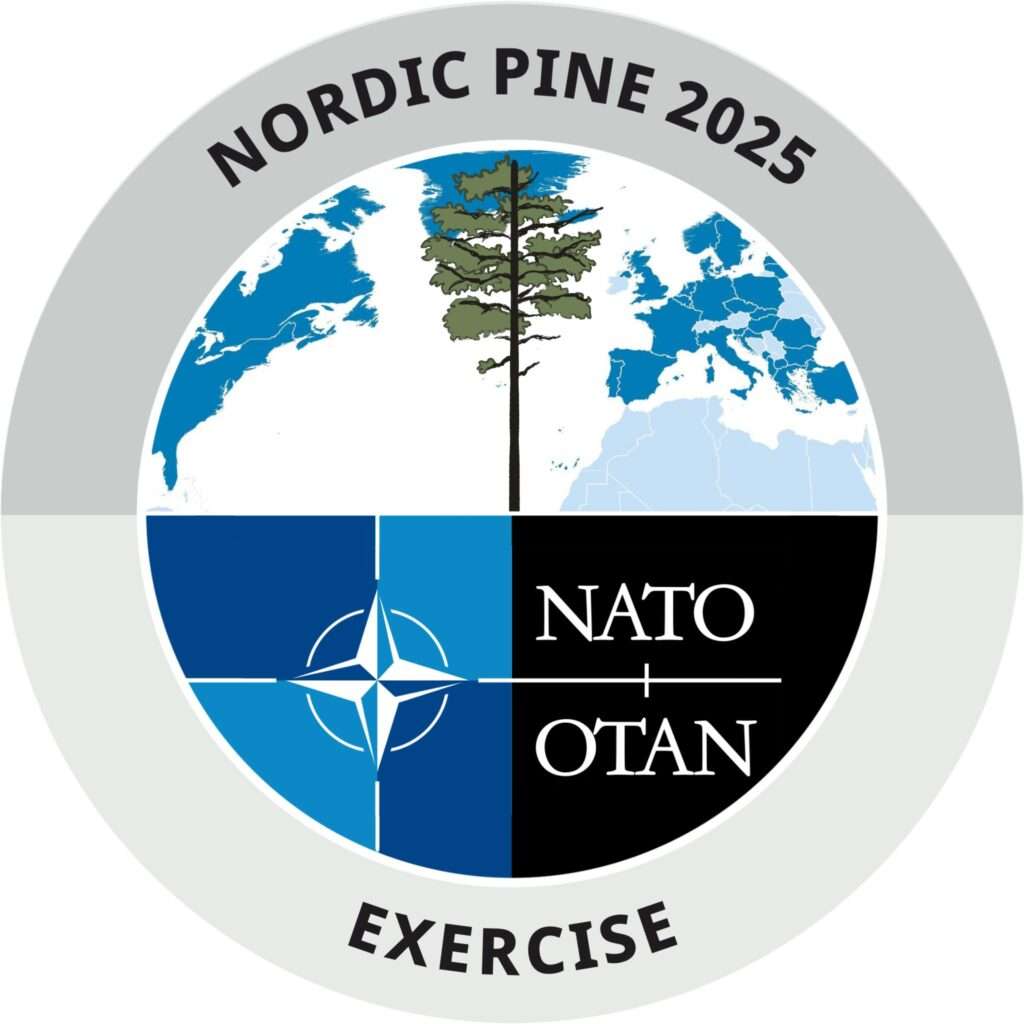
The Training Audience has always been local, regional, national and multinational energy corporations. The exercise is also an opportunity for governmental agencies to participate in the exercise “as themselves”. The exercise control team consists of approximately 30 pax with me as the Exercise Director. This year I will hand over to my successor to be able to fully focus on managing the SOSCOE developments.
From the very beginning I had great support from the Energy Academic Group at Naval Postgraduate School in Monterey, California as well as the Defence Research Institute of Sweden and the largest research institute in Sweden: RISE. NATO Science & Technology Organization has played a crucial role in funding and growing the exercise.
Last year’s iteration included more than 80 participants from 8 nations. NATO Chief Scientist, Dr. Bryan Wells, was the keynote speaker and several European news networks attended the exercise. I was interviewed by Bloomberg afterwards. This year the exercise has become one of the biggest civilian exercises in NATO with more than 150 participants from 17 nations.
National Exercises
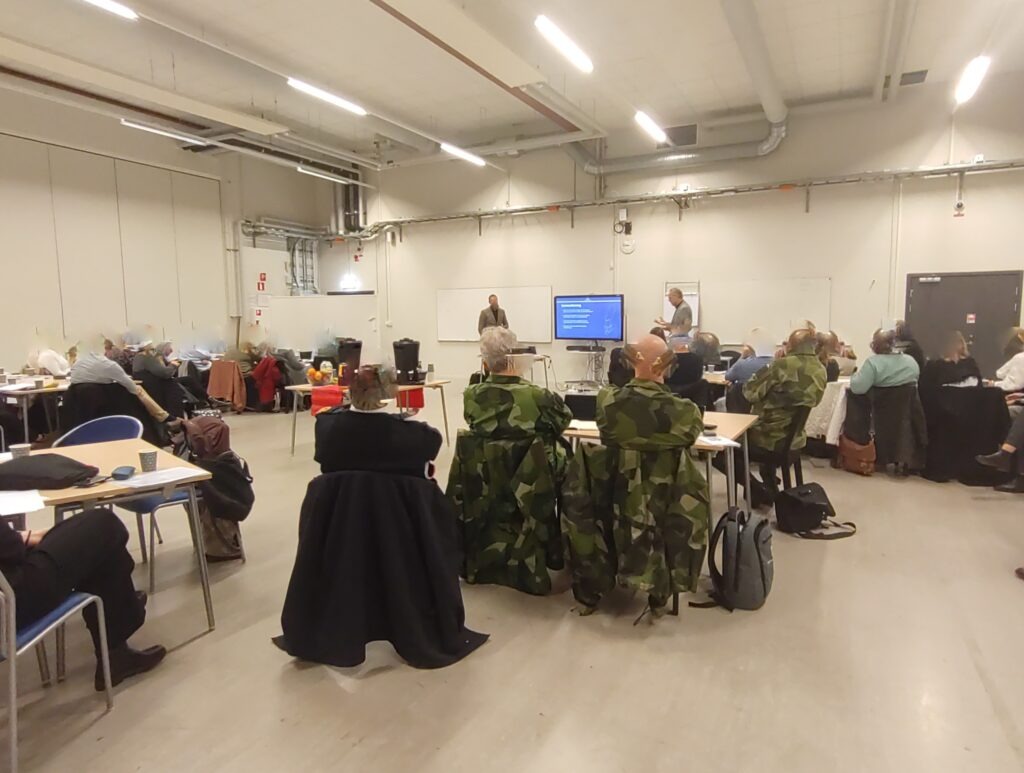
In the autumn of 2022, a series of coordinated exercises was conducted across Sweden to test the resilience of the national healthcare system under conditions of armed attack. I was part of the Exercise Control Team for the exercises.
The scope was deliberately comprehensive. All healthcare regions were involved, alongside the Military Regional Headquarters, the Swedish Civil Contingencies Agency (MSB), and the National Board of Health and Welfare (Socialstyrelsen). The intent was not to simulate a crisis in isolation, but to examine how civilian and military structures interact when the country is exposed to sustained military pressure.
The exercise series was conducted across multiple locations in Sweden, combined with distributed online participation. This hybrid format reflected the operational reality being tested, where coordination must function regardless of geography, disrupted infrastructure, or degraded communications.
At the same time, the exercises coincided with a shift in the legal framework. During that same autumn, the Swedish government introduced a number of new laws related to civil preparedness and national defence. This was the first time these legal provisions were applied and tested in a national exercise context, adding a layer of realism that went beyond scenario design and into actual governance under pressure.
The scenario assumed a military attack against Sweden, with simultaneous pressure on critical infrastructure, disruptions in logistics, and a rapidly increasing demand for medical capacity.
Civilian healthcare was not treated as a protected rear area, but as part of the contested system. This forced participants to operate under degraded conditions, with limited information, constrained resources, and competing priorities between civilian needs and military requirements.
The exercises focused on coordination across administrative boundaries, prioritisation of scarce medical resources, and the ability to maintain continuity of care under strain.
Particular attention was given to the interface between regional healthcare providers and military command structures, where differences in planning processes, terminology, and decision-making tempo became visible.
What emerged was not primarily a question of capacity, but of integration. The healthcare system proved adaptable in isolation, but the exercise highlighted structural gaps in how information is shared, how priorities are aligned, and how responsibilities are interpreted under pressure. In a contested environment, these gaps risk becoming operational vulnerabilities rather than administrative frictions.
The Defence Foundation
The main reason was to be able to set up and conduct cross-branch projects regarding whole-of-society-approach to defence, which was not possible at the time in Sweden.
The Defence Foundation has engaged several hundred people during the decade that it has been active. It has contributed significantly to the quality and capability of the Swedish national defence. From 2025 the foundation invests its capital in listed defence corporations.
Swedish Armed Forces as Contractor
In collaboration with the Director of Logistics of the Swedish Armed Forces, I also developed a dedicated industry conference aimed exclusively at private sector corporations.
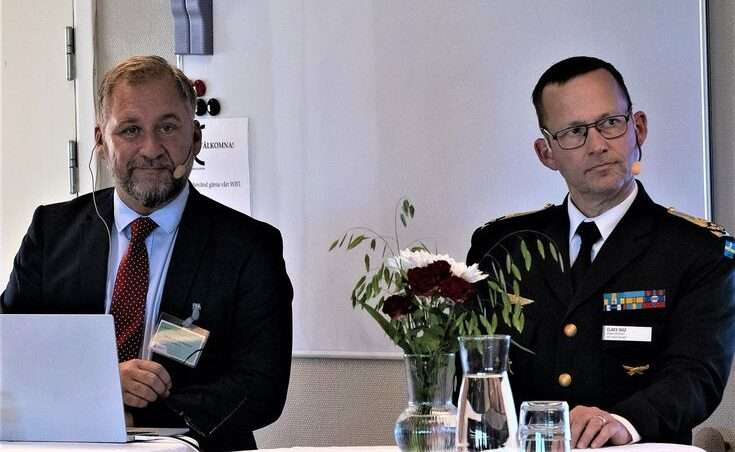
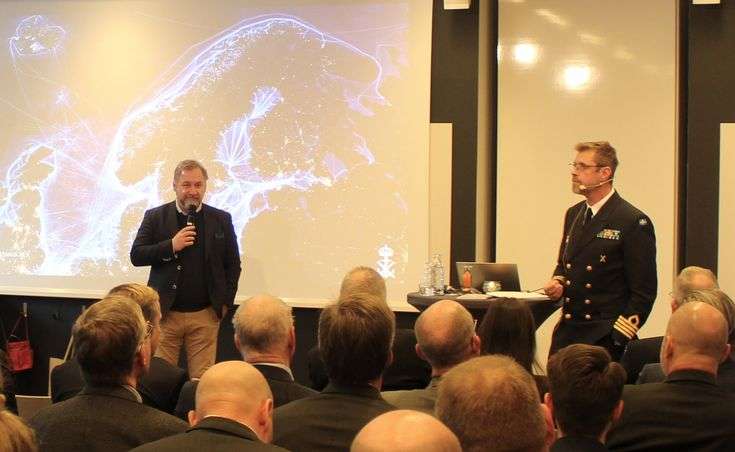
Additionally, I have been invited as a speaker on numerous occasions by various branches and units within the Swedish Armed Forces.
Books
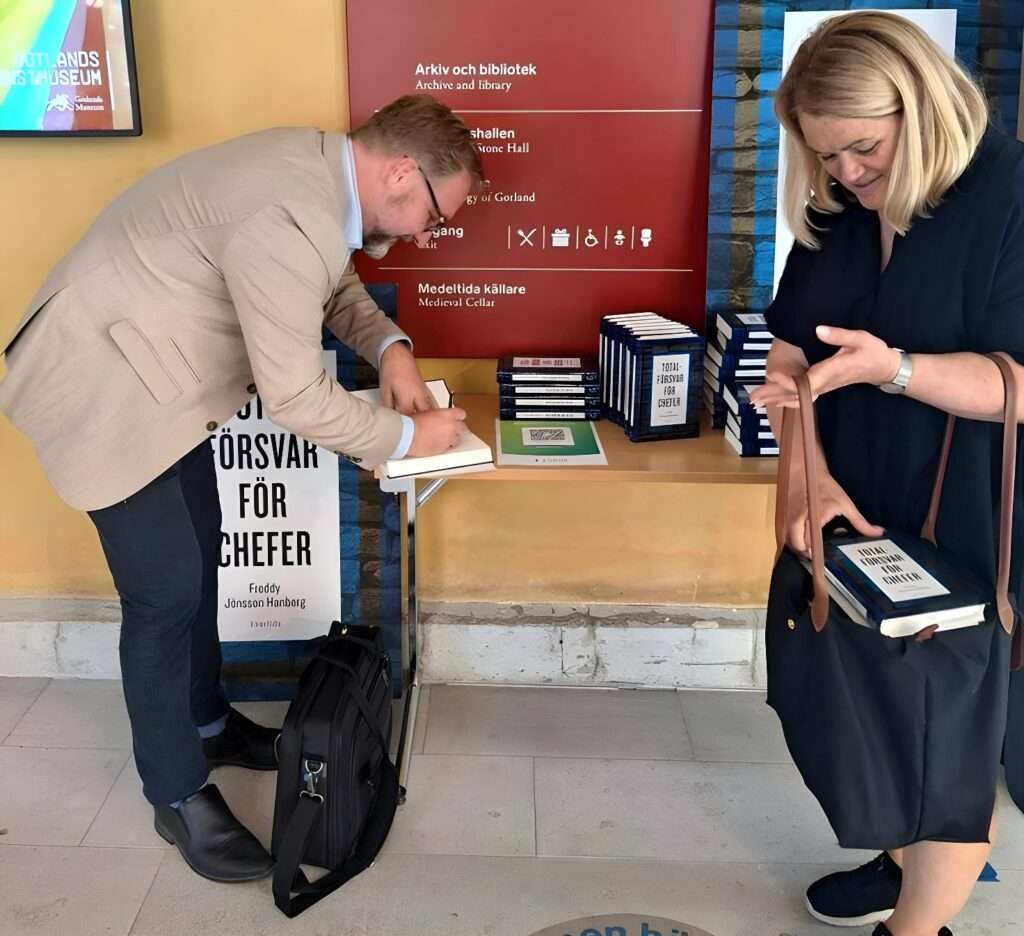
In 2023 I released the book “Totalförsvar för chefer”
which translates into “Whole-of-Society Approach to
Defence for Decision-Makers”, a management book
that uses total quality management as a tool for
defence planning.
In 2025 the book “Sveriges
totalförsvar i NATO” was released, translating into
“The Swedish Whole of Society Defence in NATO”.
The book describes NATO organization, objectives
and resources making it easier for every Swede to
use the power of alliance and collective security.
National and Regional Conferences
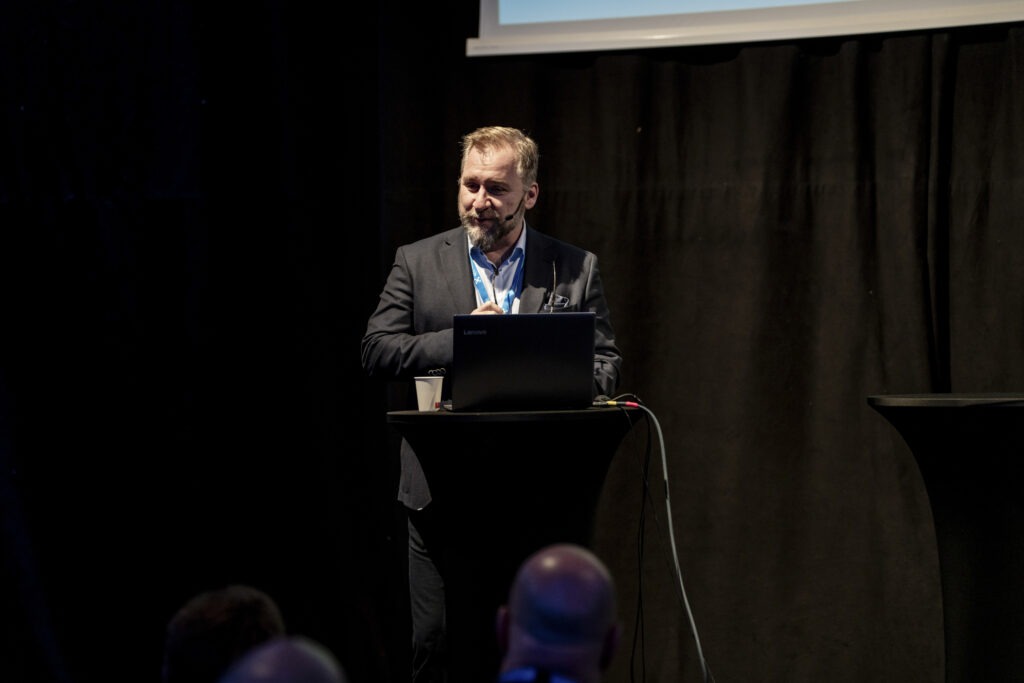
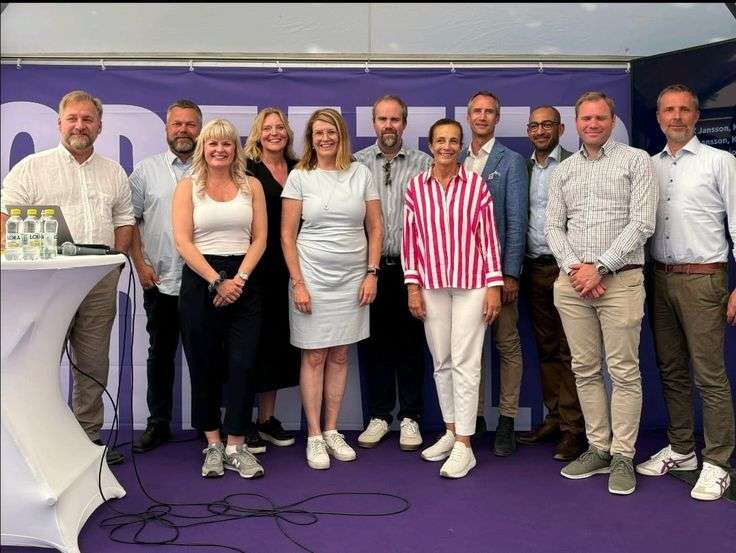
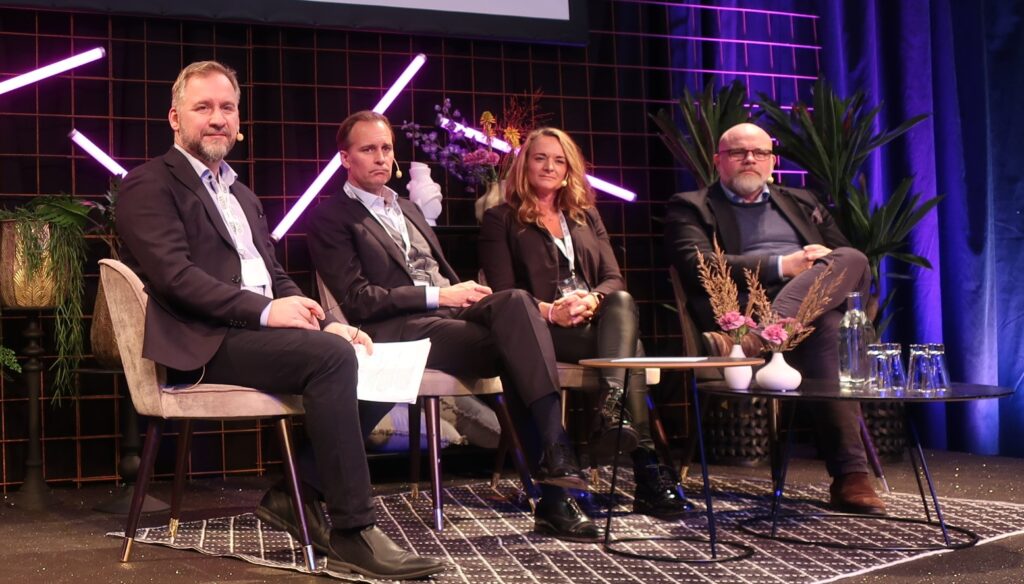
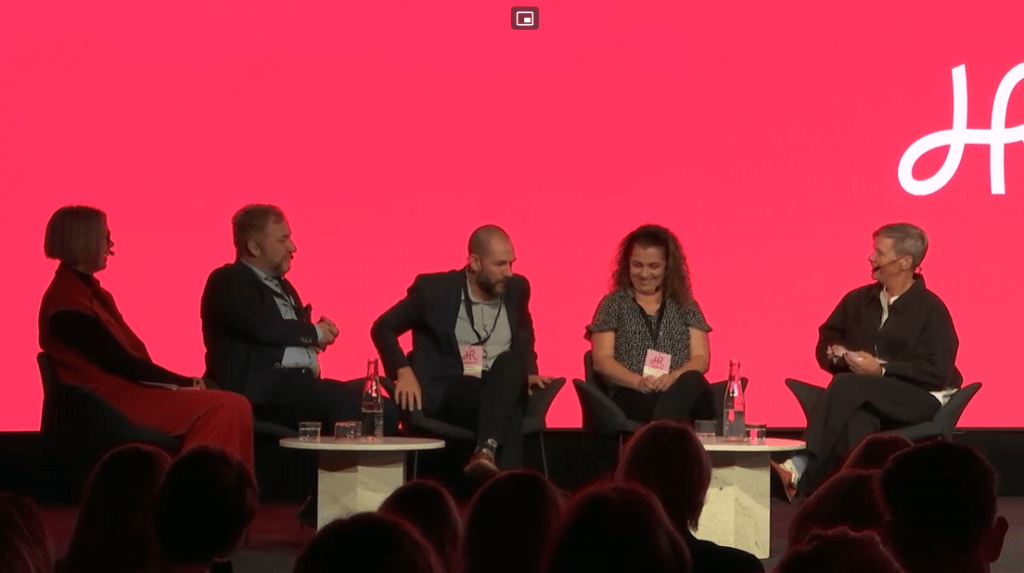
I have served as organizer, moderator, and keynote speaker at both national and regional conferences. Engaged by government agencies, military leadership, and industry stakeholders alike, I specialize in creating platforms where civil and military actors meet to address complex challenges, ranging from geopolitical risk and security of supply to total defense and industrial resilience.
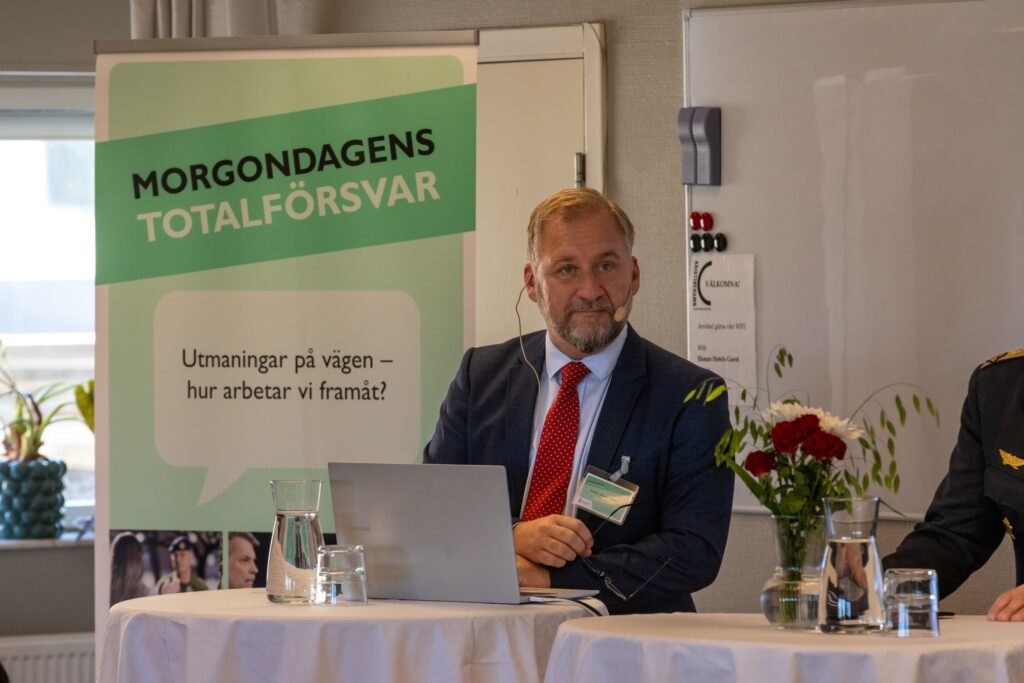
Morgondagens totalförsvar
Visit Karlstad Municipality’s website for more information.
Mötesplats Samhällssäkerhet
Visit the Mötesplats Samhällssäkerhet’s website.
Almedalen
Visit Region Gotland’s website for more information about Almedalsveckan.
Logistikmässan
Visit the Logistik & Transport webpage for more information.
HR-dagarna
Visit the HR-dagarna website for more information.
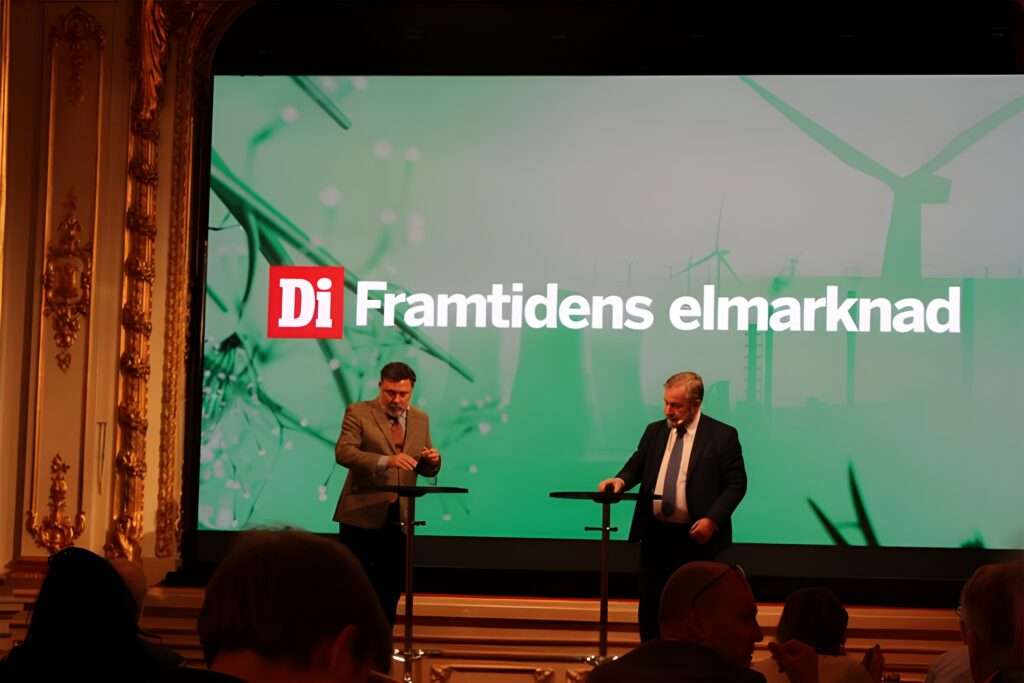
Framtidens elmarknad
Read more at the Di Event webpage.
MW Strategy at MW Group
I worked with General (four star) Peter Bartram, former CHOD Danish Armed Forces and former DACOS US Army, LtGen Joe Andersen as well as former Head of the Swedish Military Intelligence and Security Service, MajGen Gunnar Karlson and former Head of HUMINT in the Swedish Armed Forces, LtCol Johan Wiktorin – and many other very senior, former executives, as part of my staff of advisors.
I also developed the subsidiary LogSec together with the armed forces and industrial partners.
The day before the Russian full-scale invasion of Ukraine we conducted a webinar on how the Ukraine war would affect the private sector:
How does the Ukraine crisis affect the private sectored (YouTube)
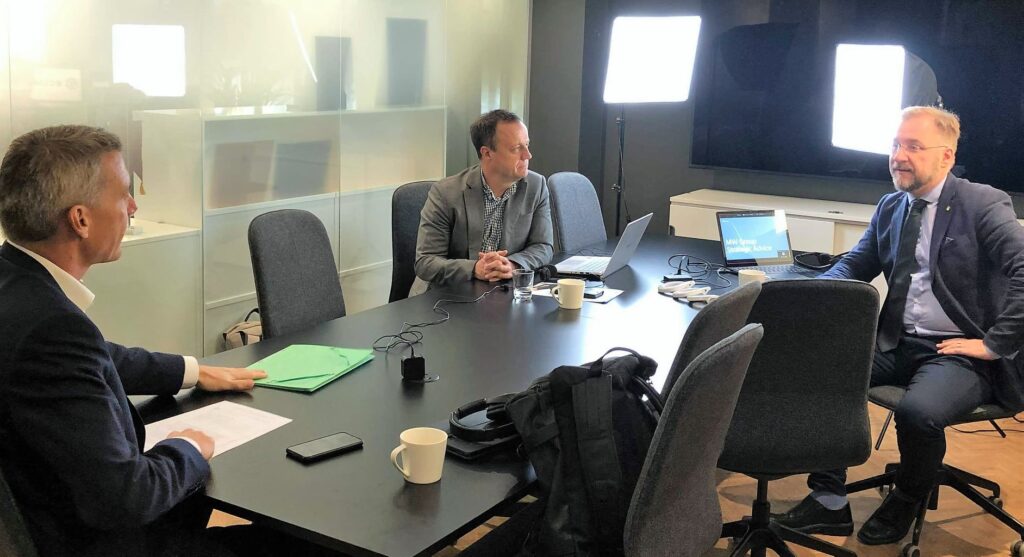
Board Member
I have been a board member of the Brandforsk Foundation and the Swedish Civil Defence Federation outside being the chairman of the board at the Defence Foundation.


RISE
Between 2019 and 2021 I was responsible for the development of the Whole of Society Approach to Defence Department at Research institutes of Sweden, the largest research institute in Sweden with 3 000 employees, 60 % with a Ph D.

Swedish Security Cluster
Importantly, a large portion of Sweden’s defense industrial base is also concentrated in this region, including major arms manufacturers and key suppliers of ammunition, weapons systems, and military technologies. This further increases the strategic value of the corridor and the need for its protection and resilience.
Swedish authorities, including the Armed Forces and the Transport Administration, prioritize investments in this corridor to improve road capacity, bridge strength, rail connections, and infrastructure resilience. Examples include routes like highway E20 and road 26, which connect inland military installations to the west coast.
I co-founded the project together with local and regional agencies in 2020.
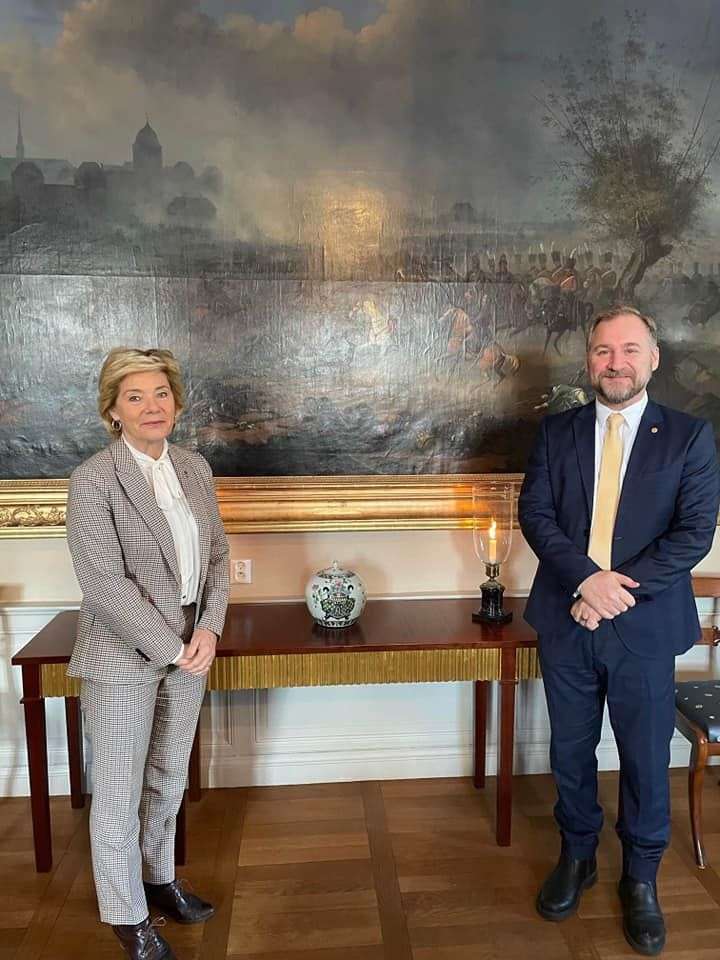
National Board of Health
During 2022, I was engaged to conduct an exercise series with all the 21 Swedish health care regions, as well as several agencies including the Armed Forces.
The exercise series was based on a scenario where Sweden was attacked before the NATO membership had taken effect. To this day, that is the biggest civil defense TTX that has been conducted in Sweden.
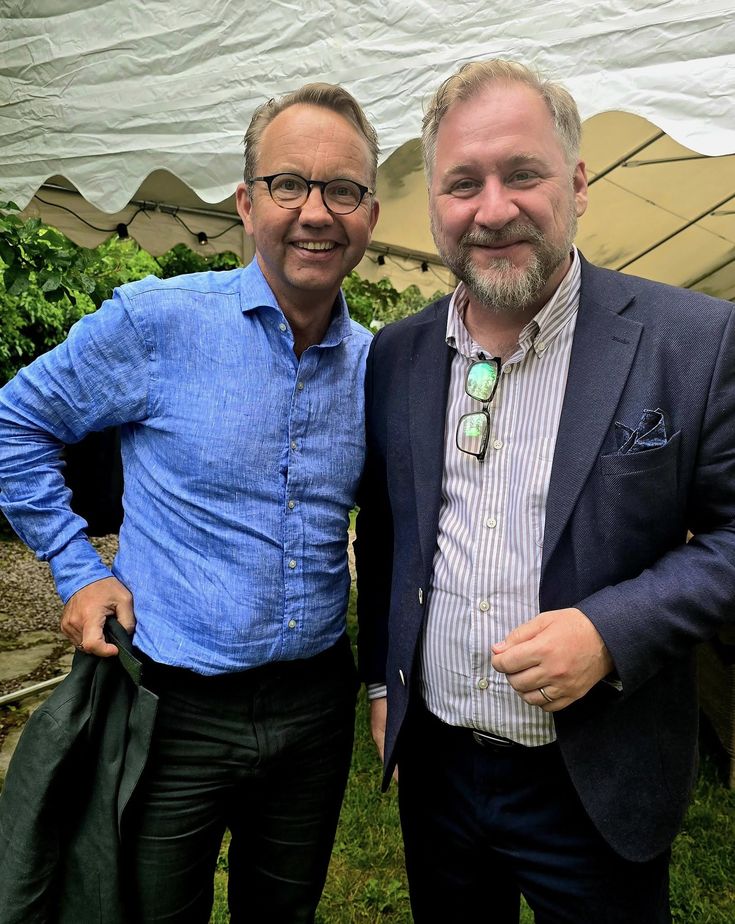
MultiDocker – Listing on the Stock Exchange
expanded its product line with increasingly powerful and versatile machines.
MultiDocker’s equipment, such as the CH900F, CH1100F, and CH1400 models, is known for high efficiency, fast performance, strong reliability, and low operating costs over time.
The machines are typically based on Caterpillar platforms and are available in both crawler and wheeled configurations, suitable for handling materials like timber, bulk goods, scrap, and
pellets.
Now headquartered in Terneuzen, the Netherlands, MultiDocker continues to focus on expanding its global presence, particularly in the North and South American markets.
I was the project manager of the listing at the NASDAQ Stock Exchange where it was successfully listed in January 2017. The IPO was heavily oversubscribed.
Large Corporations
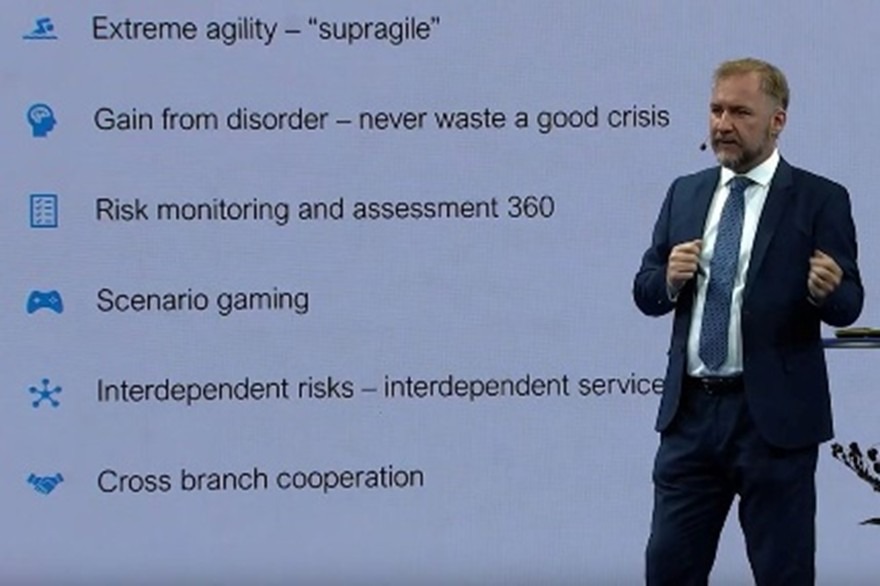
I work with large US and European corporations at the intersection of strategy, geopolitics, and security of supply, helping leadership teams navigate an increasingly complex and uncertain global environment.
My focus is on how geopolitical shifts, great power competition, and evolving regulatory landscapes affect business models, investments, and long-term positioning. Rather than treating geopolitics as an external background factor, I integrate it directly into strategic decision-making, linking global developments to concrete implications for markets, operations, and risk exposure.
A central part of my work is assessing geostrategic risk. This includes identifying vulnerabilities in value chains, understanding dependencies on critical inputs and technologies, and analysing how political decisions, trade policies, and conflicts may disrupt or reshape entire industries.
I support executive teams in moving from reactive risk management to proactive positioning, where geopolitical awareness becomes a source of competitive advantage.
Another key element is strategic foresight and situational understanding. I help organisations interpret complex global developments —across politics, economics, technology, and security— and translate them into actionable insights.
This often includes scenario development, executive briefings, and workshops that challenge assumptions and support decision-making under uncertainty.
National Research Projects
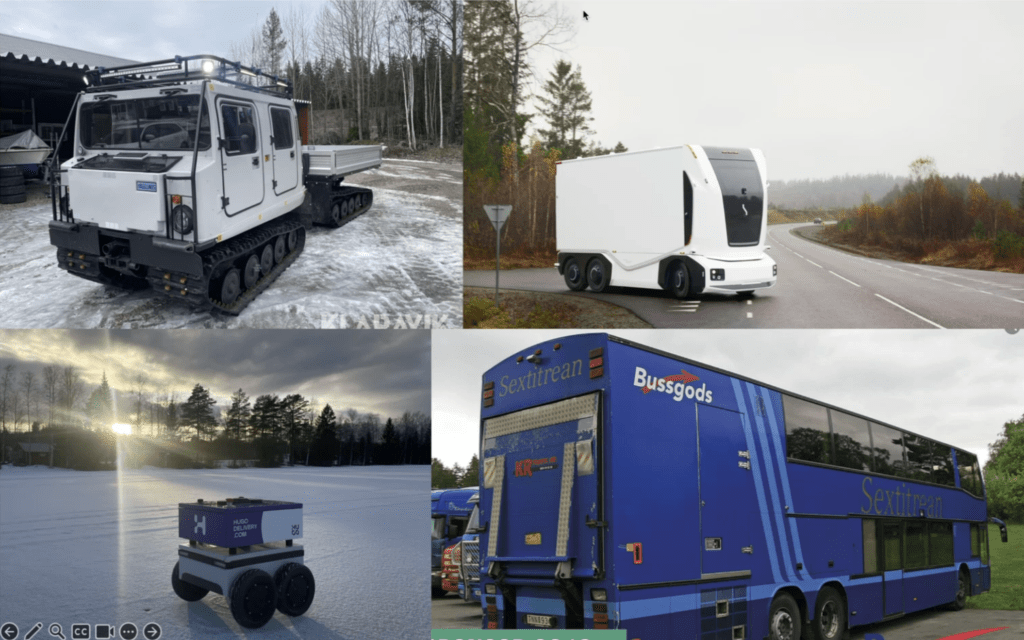
Since 2018 I have been engaged in numerous governmental and national deep tech research projects. Most of these projects have been funded by national innovation funding agencies (Vinnova, Formas and Forte) or sector agencies like the National Energy Agency or the National Road Administration.
The projects are normally triple helix or quadruple helix, engaging NGO: s and civil society as well besides government, private sector and academia.
Participants mainly come from top tier universities like Lund University or the Royal Institute of Technology (Ranking 74 and 75 on the QS WUR) and from the really large corporations like Ericsson and innovation companies like Einride as well as other governmental agencies, research institutes, regional and local municipalities and NGO: s.
Swedish Armed Forces, Logistic Regiment
The Göta Logistic Regiment (Göta Trängregemente, T 2) is Sweden’s only dedicated logistics regiment and plays a central role in supporting the Swedish Armed Forces with transport, supply, medical, and maintenance services.
The regiment is based in Skövde and has a long and distinguished history dating back to its founding in 1891. It has been stationed at Skövde Garrison since 1905 and has since developed into the core unit for operational logistics within the Swedish defense structure.
I did my conscription and basic reserve officers training there 1988-1990.
The regiment consists of several units, including logistics battalions that are responsible for ensuring the provision of fuel, ammunition, food, water, and other critical materiel in peacetime and wartime.
It also includes medical reinforcement companies with the capability to perform medical evacuation and provide advanced field medical support.
Another key component is the traffic and movement control company, which coordinates all aspects of military transport, including safety and transit of foreign forces within Sweden.
In addition to operational units, the regiment hosts the Swedish Armed Forces Logistics School, which trains personnel in vehicle operations, maintenance, and logistical planning.
Today, the regiment is a key organization in Sweden’s total defence and international operations, responsible for ensuring that combat units can sustain operations over time and space.
It combines historical tradition with modern capability and stands as a central node in the Swedish Armed Forces’ logistical system.
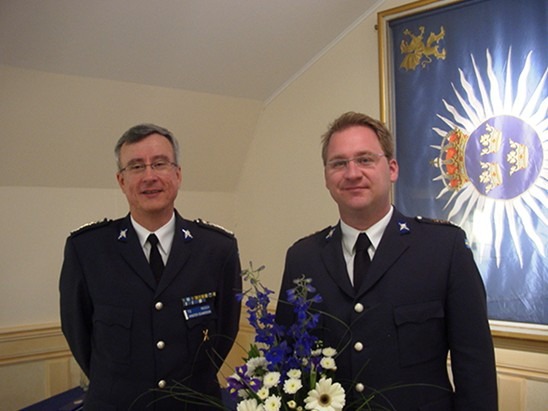
During my time there between 2002-2005 I was company commander initially, later battalionstaff member and finally CO regiment staff member.
Swedish Armed Forces, Nordic Battlegroup
The Nordic Battle Group (NBG) 11 was a European Union rapid-reaction force formed under the EU’s Common Security and Defence Policy. It consisted of approximately 2,200 to 2,500 troops drawn from Sweden, Finland, Norway, Ireland, Estonia, Latvia, and Lithuania.
The force was structured to be deployable within ten days of a decision by the EU Council and capable of sustaining operations for up to three months.
At the core of the NBG was a mechanized infantry battalion, usually contributed by Sweden, supported by integrated capabilities including logistics, intelligence, air defence, and strategic mobility by air and sea. Its operational command is handled by one of the designated EU operation headquarters depending on the deployment cycle.
The Nordic Battle Group was first established for standby duty in January 2008 and has been reconstituted for several standby periods since then.
Although the whole battle group has not been deployed in an operational conflict, parts of it was deploy e.g. in Tchad in 2009 (TD01) and in Libya 2011 (FL01).
The unit’s emblem features a lion bearing a sword and olive branch, symbolizing its motto, “Ad omnia paratus” – prepared for anything.
As part of the broader Nordic defence cooperation, the NBG represents both political and military integration in the region. It reinforces readiness, promotes interoperability among participating countries, and contributes to the EU’s capacity for crisis response.
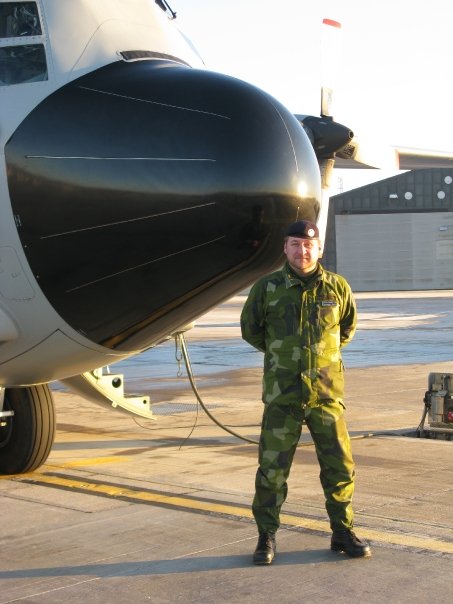
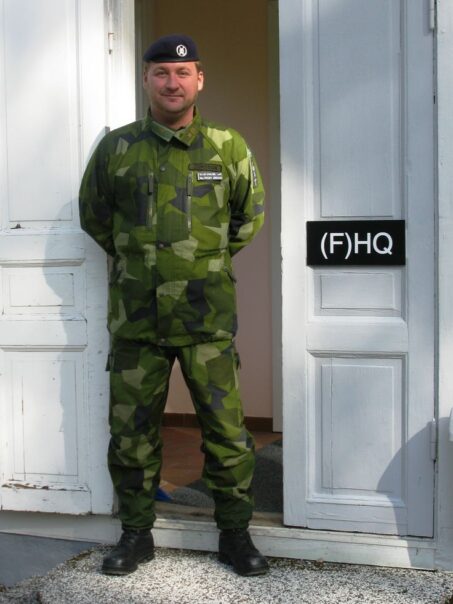
I was responsible for sustainment operations at the Force Headquarters for the whole battle group between 2009-2011. The CO was Brigadier General Stefan Andersson.
Swedish Armed Forces, International Staff and C2 Training
The C2 and Training Centre (Ledningsträningscentrum) is part of the Training Division of the Command and Control Regiment’s school (Ledningsstridsskolan) in Enköping. Its main task is to train battalion, brigade, and higher-level staffs in planning, leading, and coordinating joint operations across the land, sea, air, cyber, and information domains.
The centre has its origins in earlier command and communications training institutions within the Swedish Armed Forces, such as the Armed Forces Command Centre and the Army Staff and Signal School. In 2013, these functions were consolidated under the Command-and-Control School, and since then, the C2 and Staff Training Centre has evolved into a central hub for staff training.
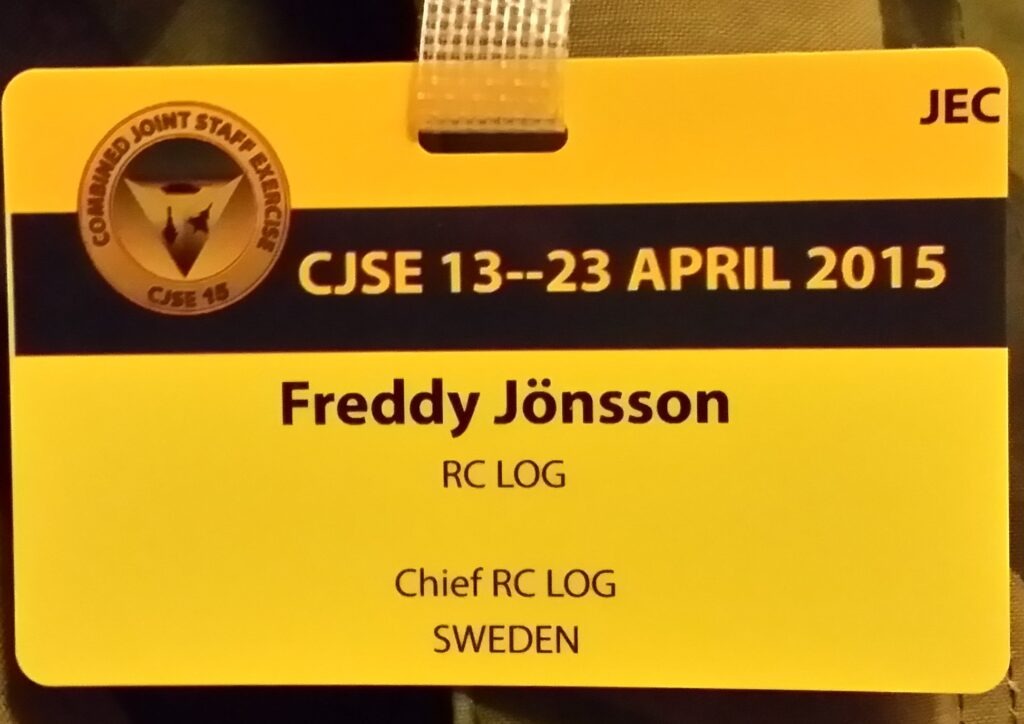
The centre conducts realistic command post exercises, war games, and multinational staff exercises, often in connection with large-scale training events such as Viking and CJSE (Combined Joint Staff Exercise).
Officers, specialist officers, and civilian personnel from across the Swedish Armed Forces participate in structured training aimed at building interoperability and operational capability.
The C2 and Staff Training Centre is thus a key asset in ensuring that Swedish command staffs are capable of leading and executing complex operations at all levels.
During the period of 2011-2012 I was responsible for setting up and manage the exercises VIKING, CJSE (Combined Joint Staff Exercise), GELTIC BEAR as well as setting up the Mission Rehearsal Exercises for the rotating HQ:s in the Swedish contribution to the NATO ISAF-mission in Afghanistan.
The size of the exercises varied between 3000 and a few hundred. The biggest exercises were distributed at several training sites in different nations.
The Rapid Trident exercise is a multinational military training operation led by Ukraine in cooperation with the United States Army Europe and various partner nations.
Established in 2006 and typically held at the Yavoriv training area near Lviv, it is part of NATO’s Partnership for Peace framework and is designed to align Ukraine’s armed forces with NATO standards and operational procedures.
The exercise generally involves between 1,300 and 6,000 personnel from more than a dozen countries. Participants have included troops from the United States, Canada, the United Kingdom, Germany, Poland, Italy, Turkey, Romania, Georgia, Lithuania, Moldova, and others.
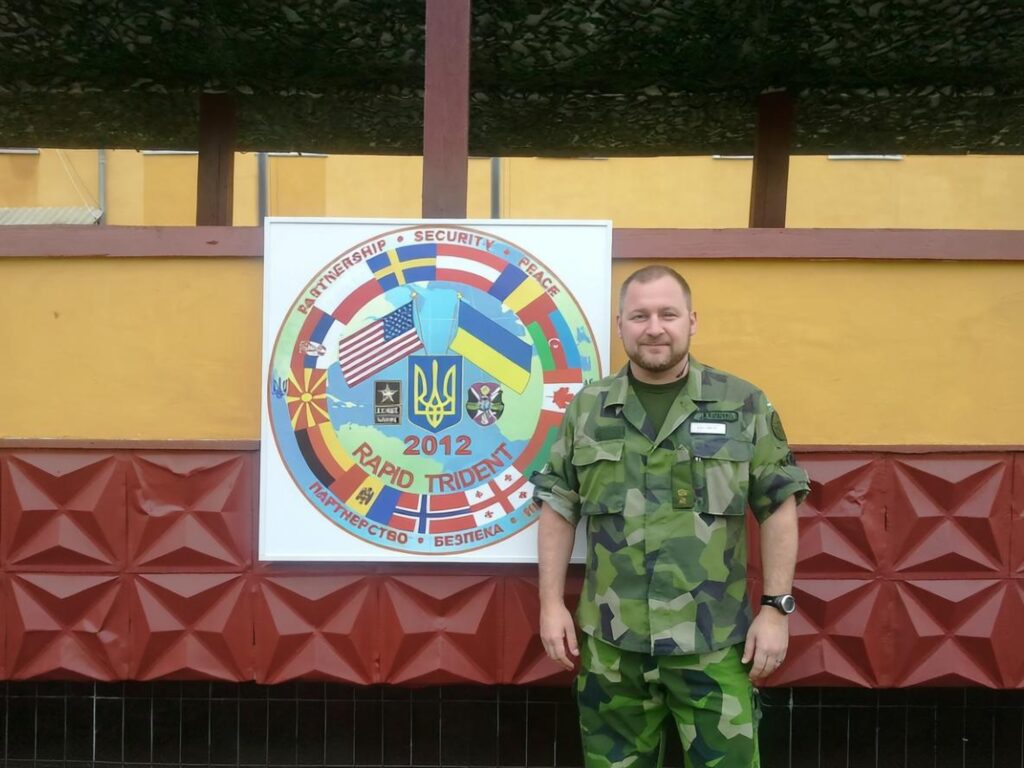
I was part of the Exercise Control Team during RAPID TRIDENT 2012, planning and conducting the exercise in close cooperation with the Ukraine Armed Forces and US Army Europe.
Swedish Armed Forces, National Logistics Component Command
The Swedish Armed Forces Logistics, or FMLOG (Försvarsmaktens logistik), is a joint logistics unit within the Swedish Armed Forces. It was established on 1 January 2002 through the consolidation of several previous support and maintenance units into a single organization.
While the unit’s headquarters is located in Stockholm, its operations are carried out across various locations in Sweden, including Boden, Karlskrona, and Arboga.
FMLOG is responsible for planning, procuring, storing, coordinating, and delivering supplies and managing transport for the entire Armed Forces, during peacetime, crisis, and wartime. It ensures endurance and mobility by providing fuel, ammunition, food, water, and maintenance services, while guaranteeing that material resources are available when and where they are
needed.
The unit also handles transport logistics, including freight forwarding, customs clearance, and protected transport, via road, rail, sea, and air, both domestically and internationally. FMLOG
supports overseas operations and is responsible for rear-echelon logistics as well as functions such as IT services, workshop maintenance, and financial administration.
The organization is made up of both civilian and military personnel, with approximately 90 percent being civilians. Its operations are based on a revenue-funded model aimed at delivering goods and services at the lowest possible cost without compromising quality.
FMLOG operates under the authority of the Chief of Defence Logistics (Försvarslogistikchefen, FlogC), a senior position at the Armed Forces Headquarters responsible for the entirety of military logistics, including affiliated units such as the Swedish Armed Forces Technical School and the Centre for Defence Medicine.
I was part of the FMLOG Staff as being responsible for current ops at J3 during 2012-2014.
I was acting duty officer during the OPERATION EAGLE in the fall of 2014. I was also representing Sweden during the Host Nation Support Agreement Workshop in Finland in 2014.
Swedish Armed Forces, HQ
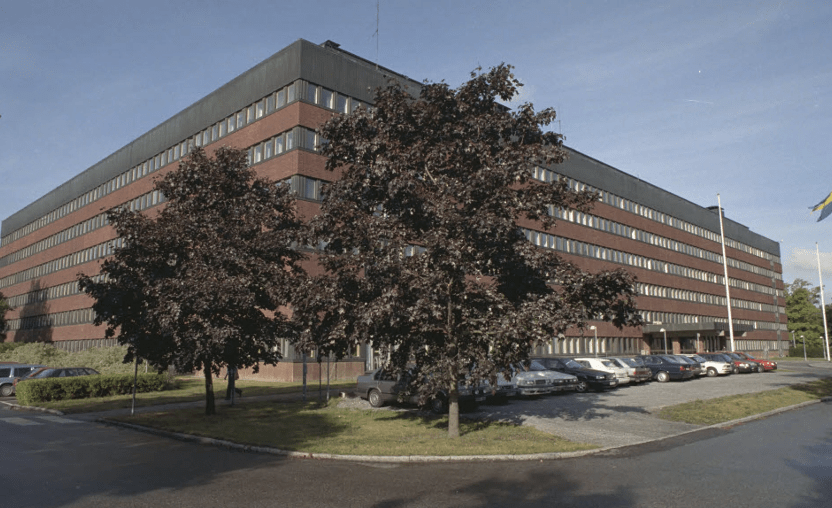
The Swedish Armed Forces Headquarters (Högkvarteret, HKV) is the central command structure of the Swedish Armed Forces. Located at Lidingövägen in central Stockholm, it is the seat of the military’s top leadership and the point of contact between the Armed Forces and the Government of Sweden.
The Headquarters is led by the Chief of Defence, assisted by the Director General, who is a senior civilian official responsible for finance, administration, and coordination of civilian-military integration.
Under the Chief of Defence operates the Defence Staff, which manages overall planning, operational command, capability development, and international cooperation.
Within the Headquarters, several senior officials and directorates together form the Defence Board (Försvarsmaktsledningen). This includes the Chief of Joint Operations, the Chief of Military Intelligence and Security, the Chief of Training and Development, the Chief Financial Officer, the Director of Human Resources, the Director of Communications, the Chief Legal Advisor, and other key functional leaders.
The Headquarters also houses critical oversight and inspection functions such as internal audit, military safety inspection, environmental and medical inspection, and air safety oversight. These ensure that the Armed Forces adhere to national laws, military regulations, and operational safety standards.
The Armed Forces Headquarters is responsible for strategic direction, operational command, force development, international defence cooperation, and national crisis response. It serves as the highest authority within the Swedish Armed Forces and ensures the integration of all branches, Army, Navy, and Air Force, into a cohesive defence structure.
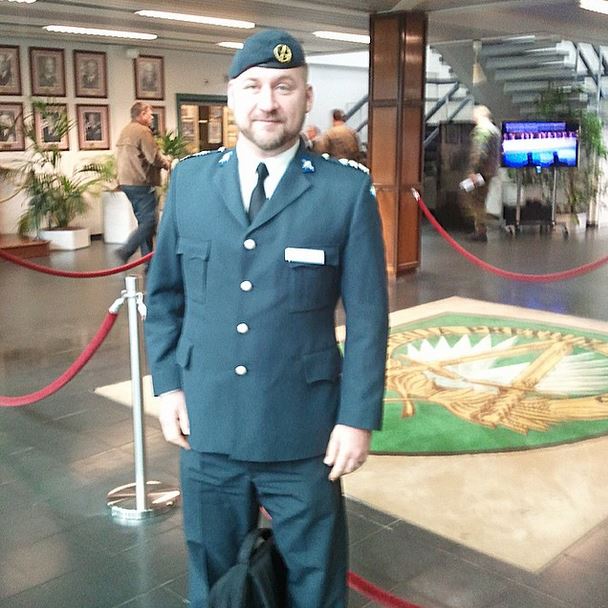
I was part of the Swedish Armed Forces HQ, belonging to the Operations Division, 2015-2020.
Military Training and Education
Strategic reserve officers’ course
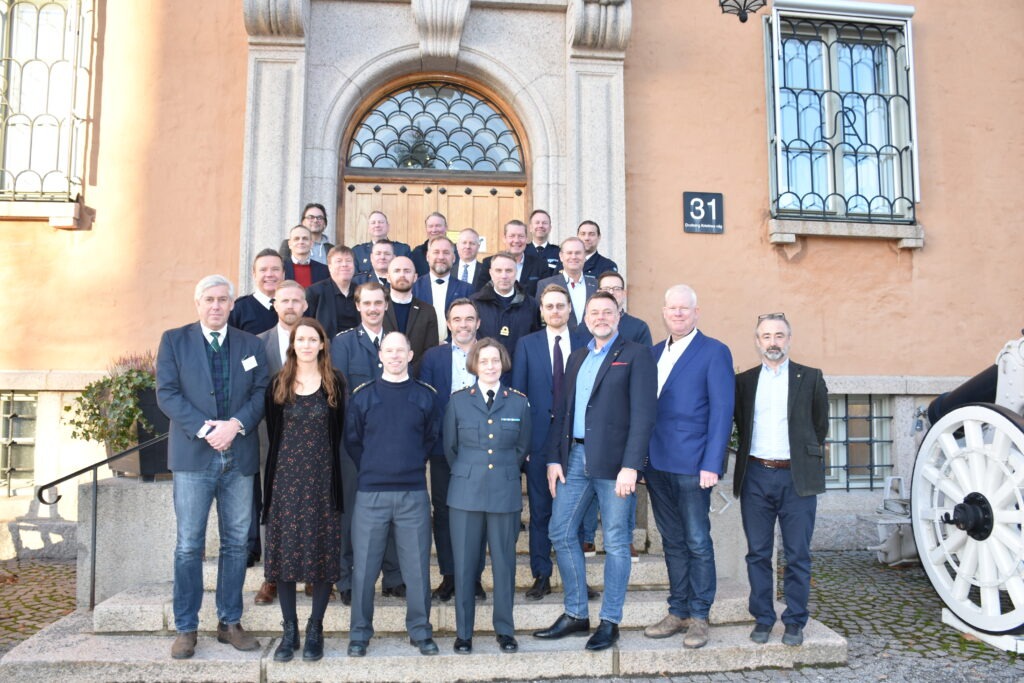
I successfully completed the The Strategic Reserve Officer Course in 2022. The course is a specialized training program within the Swedish Armed Forces designed for individuals with civilian expertise who can contribute to total defence at a high strategic level in times of crisis or war.
The purpose of the course is to prepare participants to serve as reserve officers in strategic staffs, such as the Armed Forces Headquarters, the Government Offices, central civilian agencies, or in staff roles within the total defence structure. The focus is on defence planning, principles of warfare, civil-military cooperation, and strategic decision-making.
The course targets individuals with leadership experience and academic qualifications, often in fields such as law, political science, economics, engineering, or medicine. Candidates are typically selected based on their relevant experience, networks, specialist knowledge, although military background is always required.
Admission is selective, and the course is delivered part-time over several weeks, often through weekend sessions, evening lectures, and a final intensive exercise period.
Content typically includes topics such as Swedish security and defence policy, the structure and operational capabilities of the Armed Forces, international military cooperation with organisations like NATO and the EU, civil-military coordination within the total defence system, the laws of armed conflict and international law, command structures in crisis and war, and practical exercises in strategic planning and decision-making.
Higher Reserve Officers Course
I completed the Higher Reserve Officer Course in 2007–2008 with approved results and was appointed to the rank of Major.
The course is an advanced military training program within the
Swedish Armed Forces, designed to prepare reserve officers for leadership and staff roles at higher command levels.
The course aimed to strengthen participants’ ability to operate at
headquarter levels, often in positions such as chief of staff, operations officer or planning officer.
NATO Logistics Officers’ Course
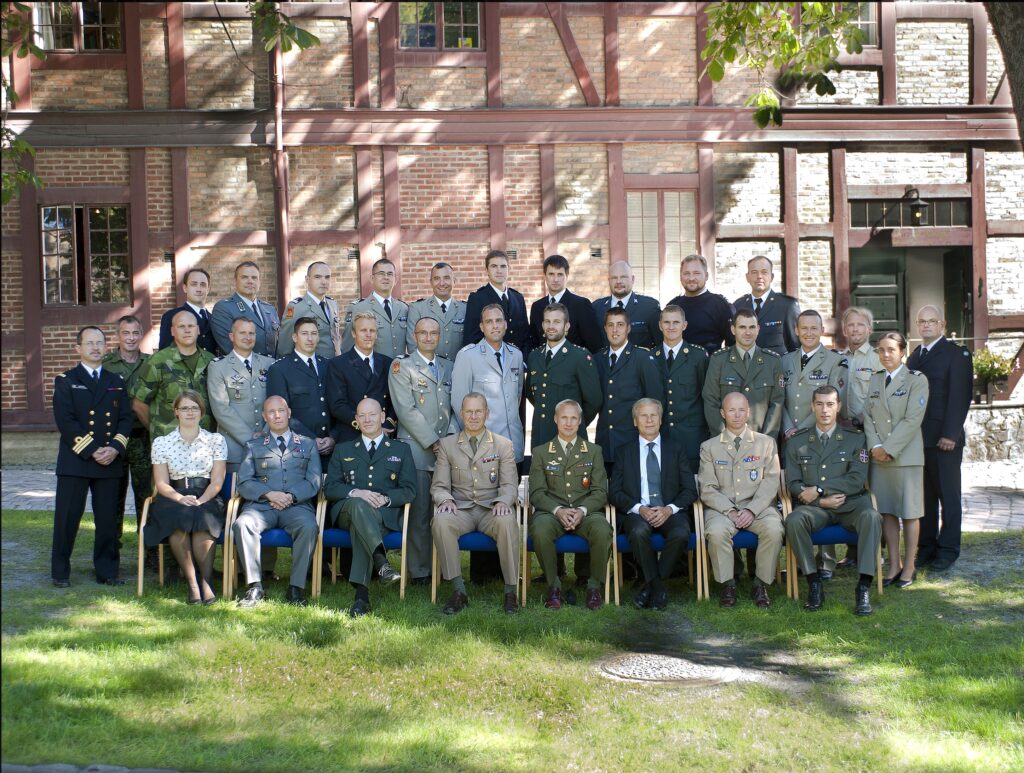
In 2010 I took the NATO Logistics Officers Course, delivered by the Norwegian Defence International Centre (NODEFIC) in Oslo, is a two-week residential training program designed to provide participants with practical skills in applying NATO logistics doctrine, procedures, and principles throughout all phases of NATO-led operations, including deployment, sustainment, and redeployment.
Prior to the residential phase, participants are required to complete an online preparatory package. This digital training includes three days of self-paced modules covering fundamental
logistics concepts within NATO and UN frameworks, followedby a mandatory written assignment to confirm operational-level understanding.
Upon successful completion, participants are qualified to serve in logistics staff roles at tactical and operational headquarters within NATO or national command structures. The course supports the development of interoperability, operational readiness, and functional integration among allied and partner forces.
Strategic and Operational Logistics Course
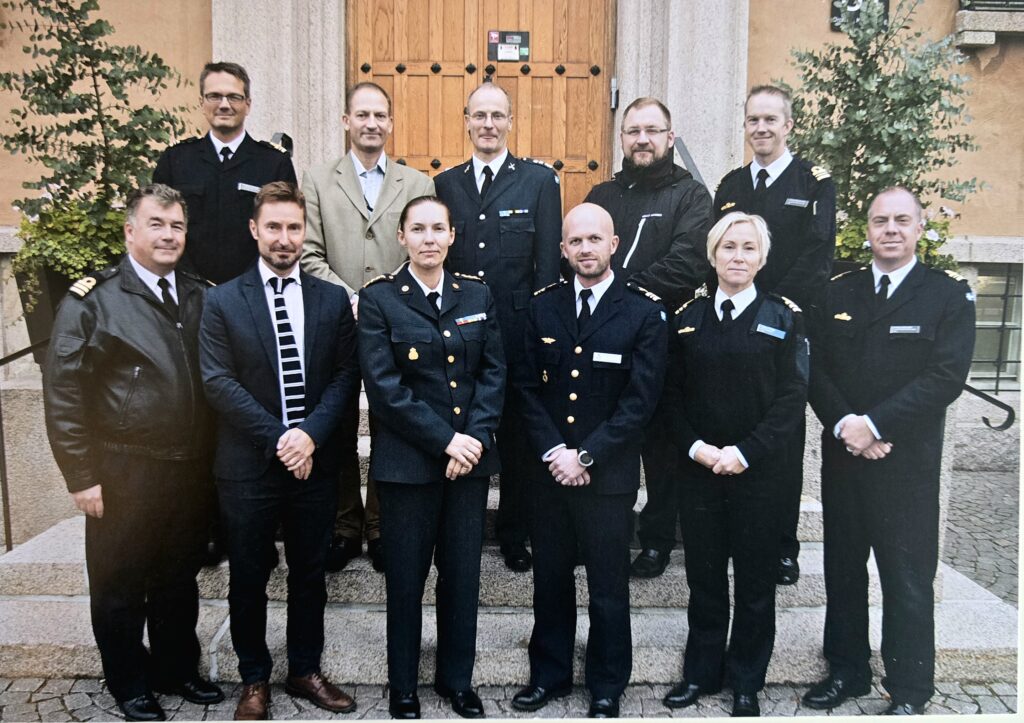
In 2014 I took the Strategic and Operational Logistics courses at the Swedish Defence University, an advanced-level programs designed for officers and civilian professionals engaged in military logistics at the strategic and operational levels. The Strategic Logistics course is a program delivered over three weeks of on-campus instruction in Stockholm, combined with two weeks of remote studies and a full week in Brussels.
It provides a thorough overview of logistics theory, national capability development, and the Swedish framework for logistic support within total defence.
The course addresses how to develop and manage military logistic capabilities, including supply chain management, civil–military coordination, and defence-industrial integration.
Participants explore concepts such as supply security, the organisation of total defence logistics, and the role of logistics in national and international security planning.
Government Inquiries
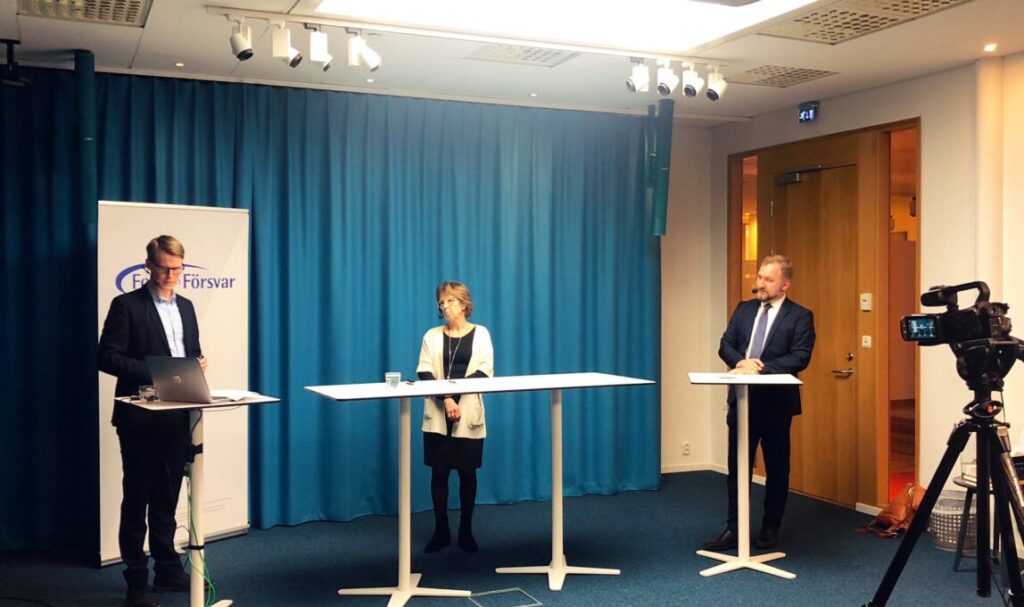
In 2020, the Swedish government commissioned the National Civil Defence Inquiry to reorganize Sweden’s civil defence. In 2021, the government launched a separate inquiry into the establishment of a new Agency for Psychological Defence. In 2023, it received the findings of an inquiry on Security of Supply Preparedness.
I was formally invited to provide input, contribute to, and comment on all three government inquiries.
International Organizations
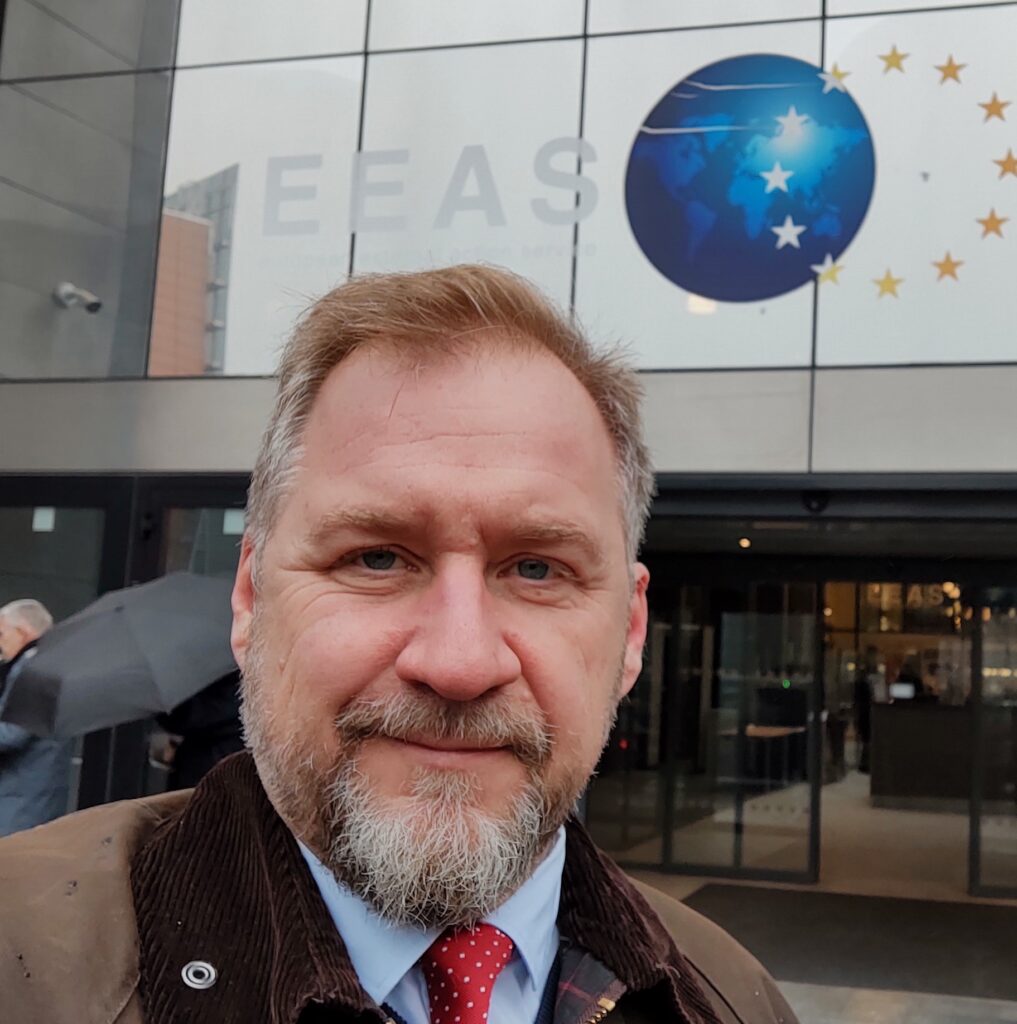
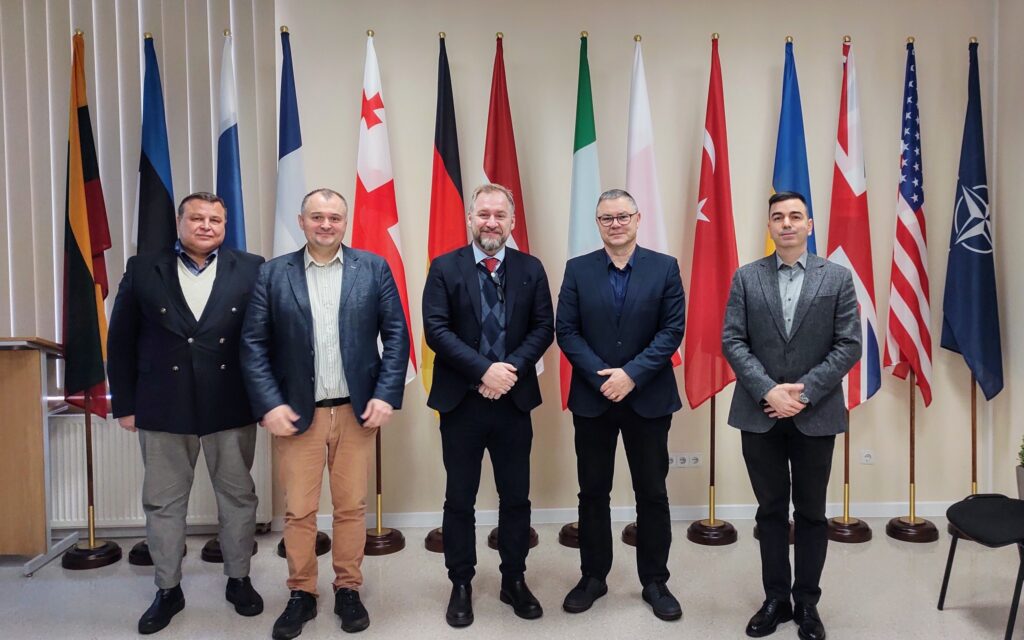
I have been Working with the World Bank, the United Nations (mainly UNDP and UNIDO), and the European Union (primarily through the Centre for the Development of Enterprise, CDE)
Between 2005-2007 I worked for the World Bank, the UN and the EU with private sector development, mainly in Africa but also in Latin America, Easter Europe and in China.
After that I have regularly worked with the EU, mainly the
EEAS as well as the EUMC and EUMS. The interactions
with IO:s have been addressing both trade and security.
Media Presence
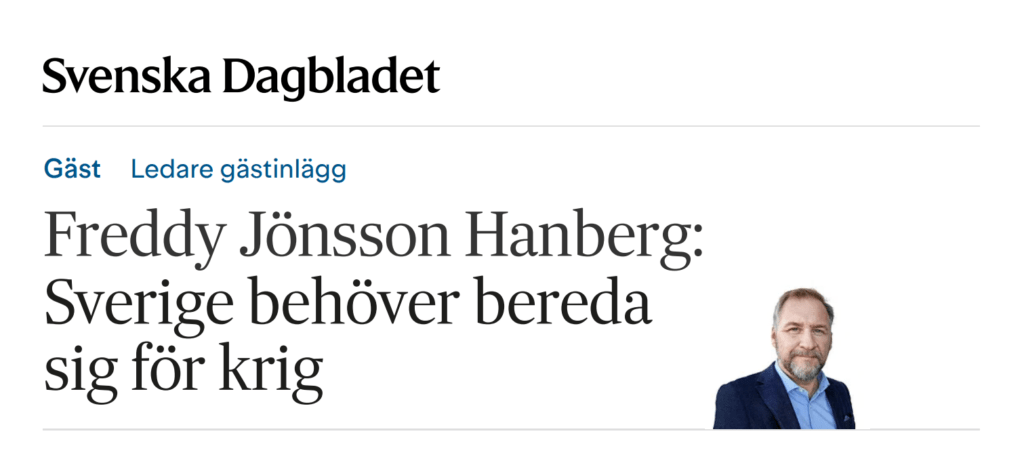
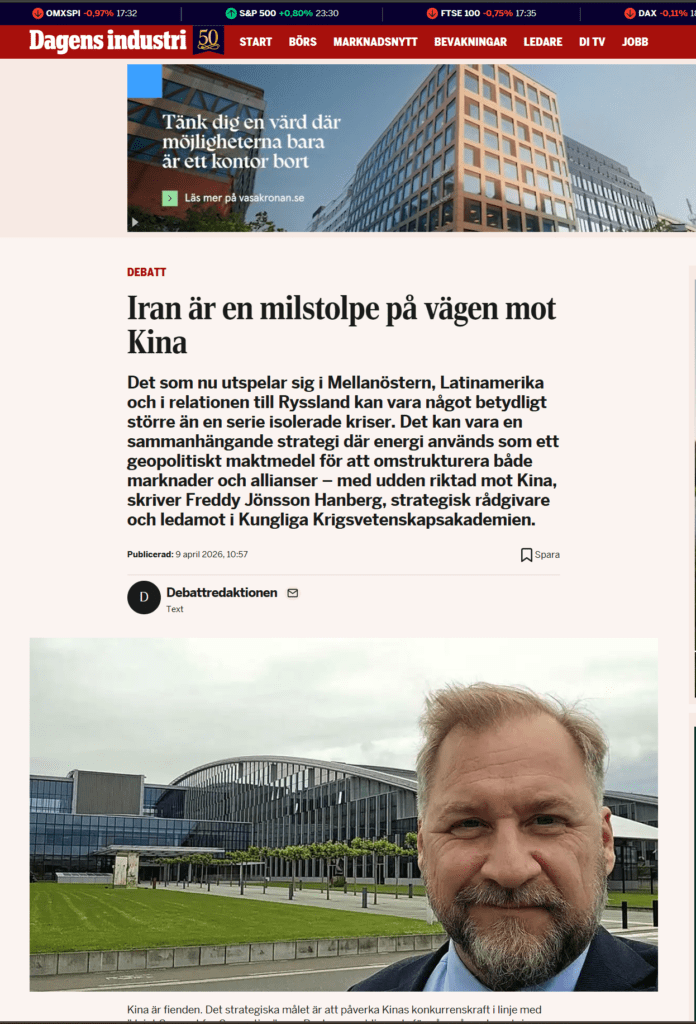
I have been prominently represented and consistently present in the Swedish media landscape over the past ten years. I have been part of the editorial pages in several of the largest newspapers, interviewed by national public radio and television as well as
international media. I have also written a large number of debate articles and op-eds.
Washington
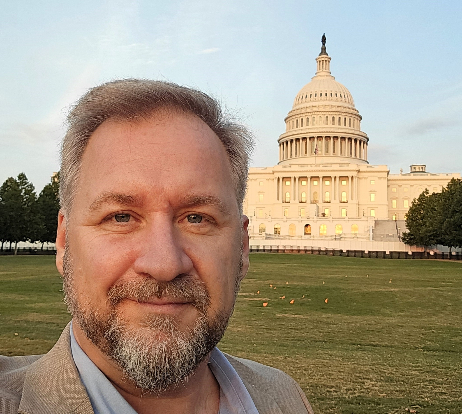
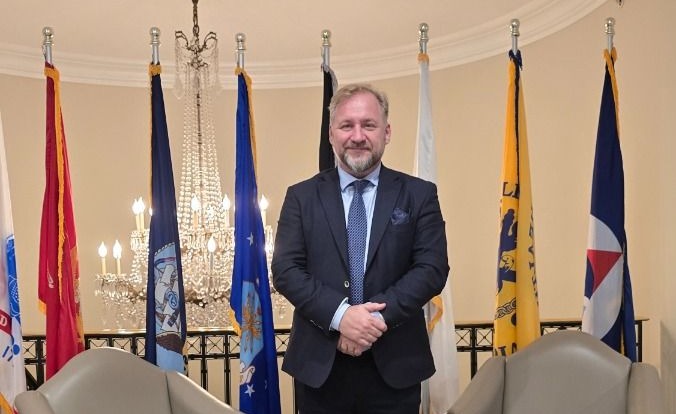
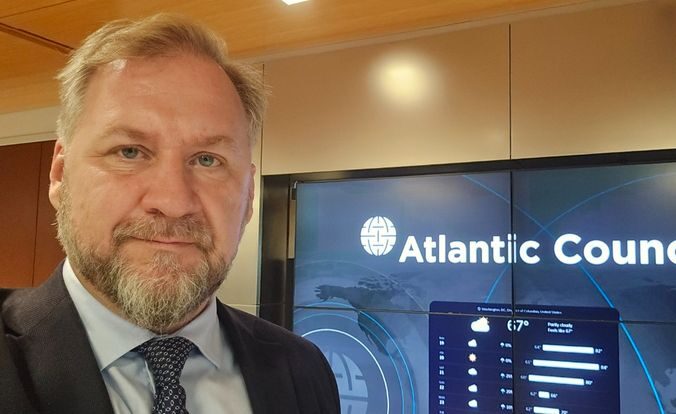
I frequently travel to Washington, and I am quite used to work in the DC area both with trade development, project funding, public finance, security strategy and defense related organizations.
Networks
I am part of a number of different exclusive and closed networks where professionals are invited to share experiences and knowledge. Here are a few examples.
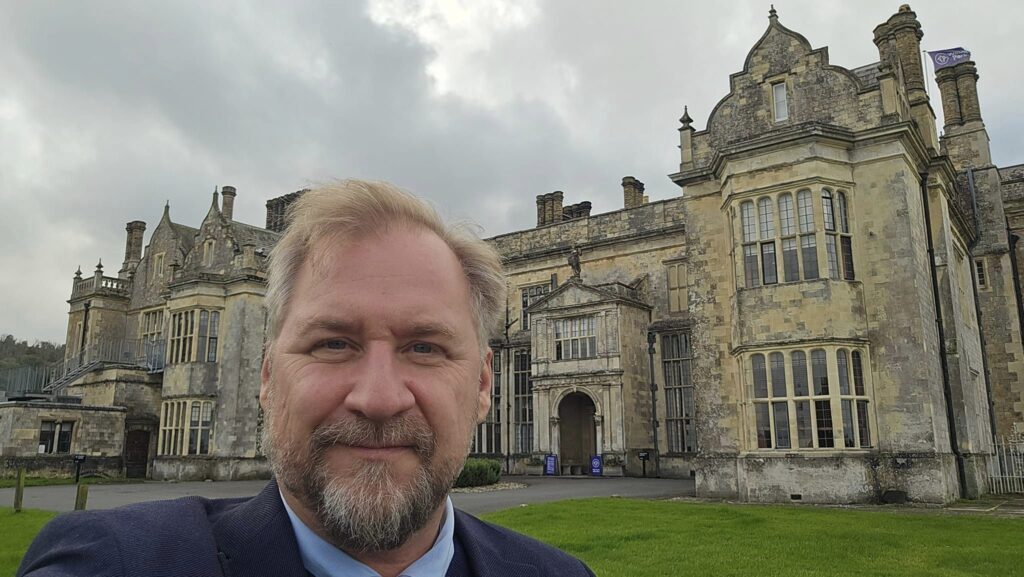
Wilton Park
I took part in the FDDR conference in 2024.
Royal Society of War Sciences
I was elected member in 2025.
National CISO Advisory Board
I was part of the board between 2022-2025. The board consist of the Chief Information Security Officers on national level from both the public and private sector and other experts.
Military Officers Club
The Military Club in Stockholm is an officer’s social club where prominent members of the military society in Stockholm gather regularly. The membership gives me the opportunity to visit and stay at other military officers’ clubs worldwide.